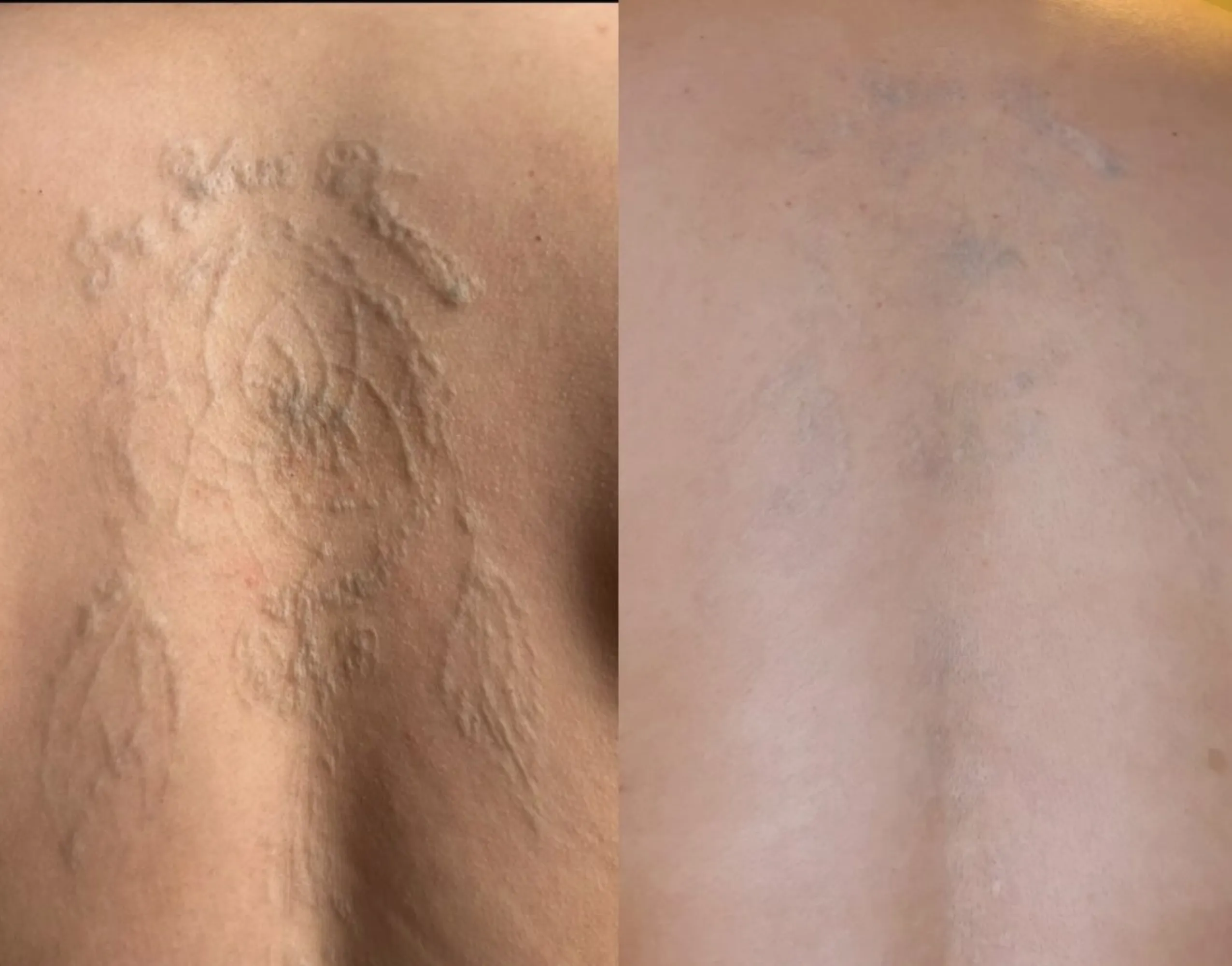
The question “what’s the risk of hyperpigmentation or hypopigmentation after I get my tattoo removed?” is one I get asked at least once a week in my Melbourne studio – often from clients searching for laser tattoo removal near me by Olha Po who want safe, reliable results without ending up with skin discolouration. As a cosmetic tattoo specialist who works carefully and precisely, I can reassure you: pigment changes can happen, but the risk drops quickly when removal is done gently, accurately, and supported by the right aftercare.
Human skin behaves in fairly predictable ways when it’s under stress. Whether I’m using saline removal or a picosecond laser, the goal is always the same: remove ink without overstimulating the melanocytes. When melanin becomes overactive, that’s when hyperpigmentation or hypopigmentation can appear – exactly what Cosmetic Tattoo Melbourne works hard to prevent.
Why Pigment Changes Happen
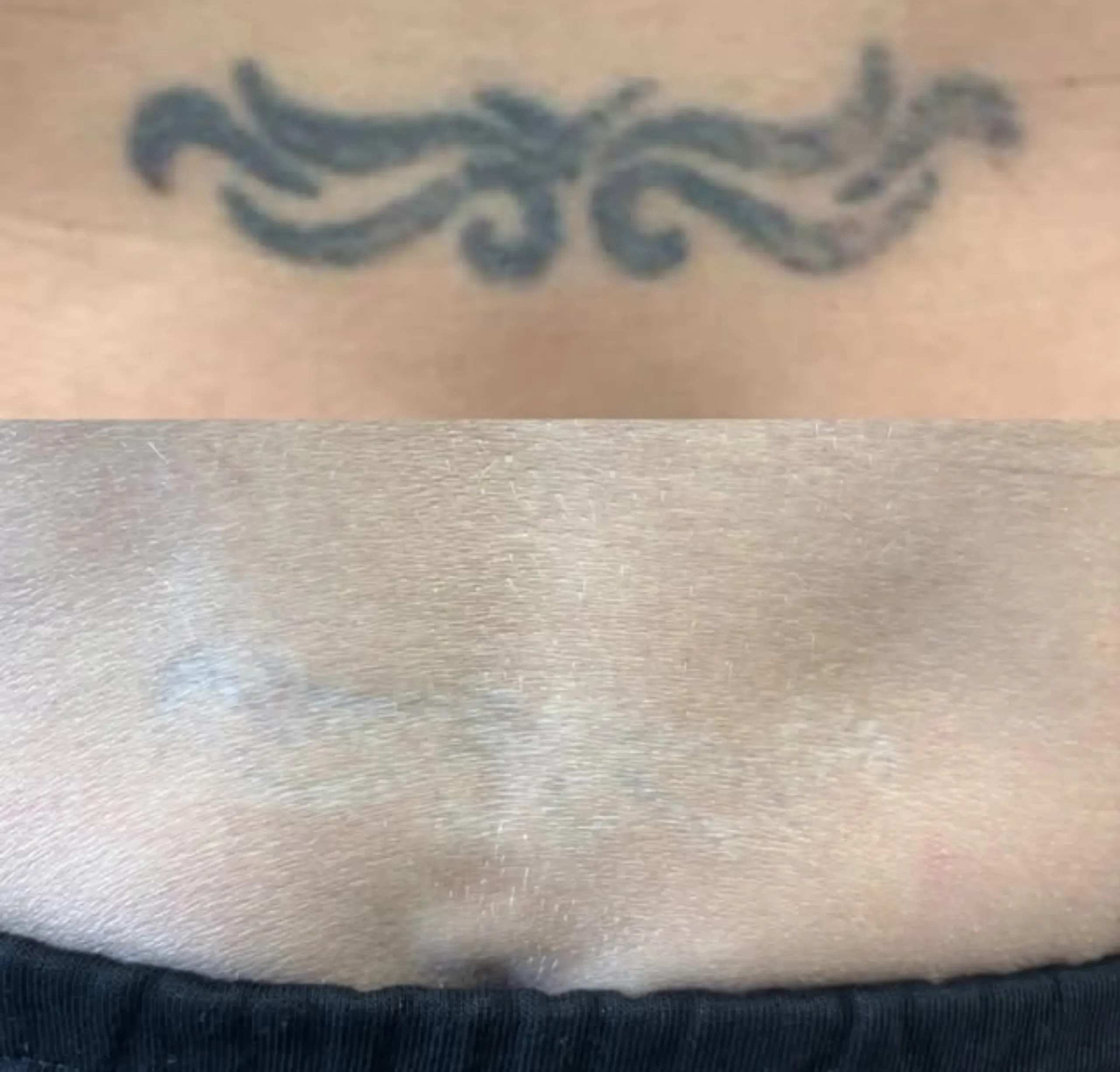
After tattoo removal, skin can temporarily darken (hyperpigmentation) or lighten (hypopigmentation). Both are linked to how your skin reacts to treatment trauma and how efficiently it heals. Many Melbourne clients worry these changes are permanent, but in most cases they resolve with correct aftercare and diligent sun protection.
Skin type also matters. Darker skin tones naturally contain more melanin, which can increase the risk of post-inflammatory hyperpigmentation following energy-based treatments.
How Light-Based Sessions Influence Skin Tone
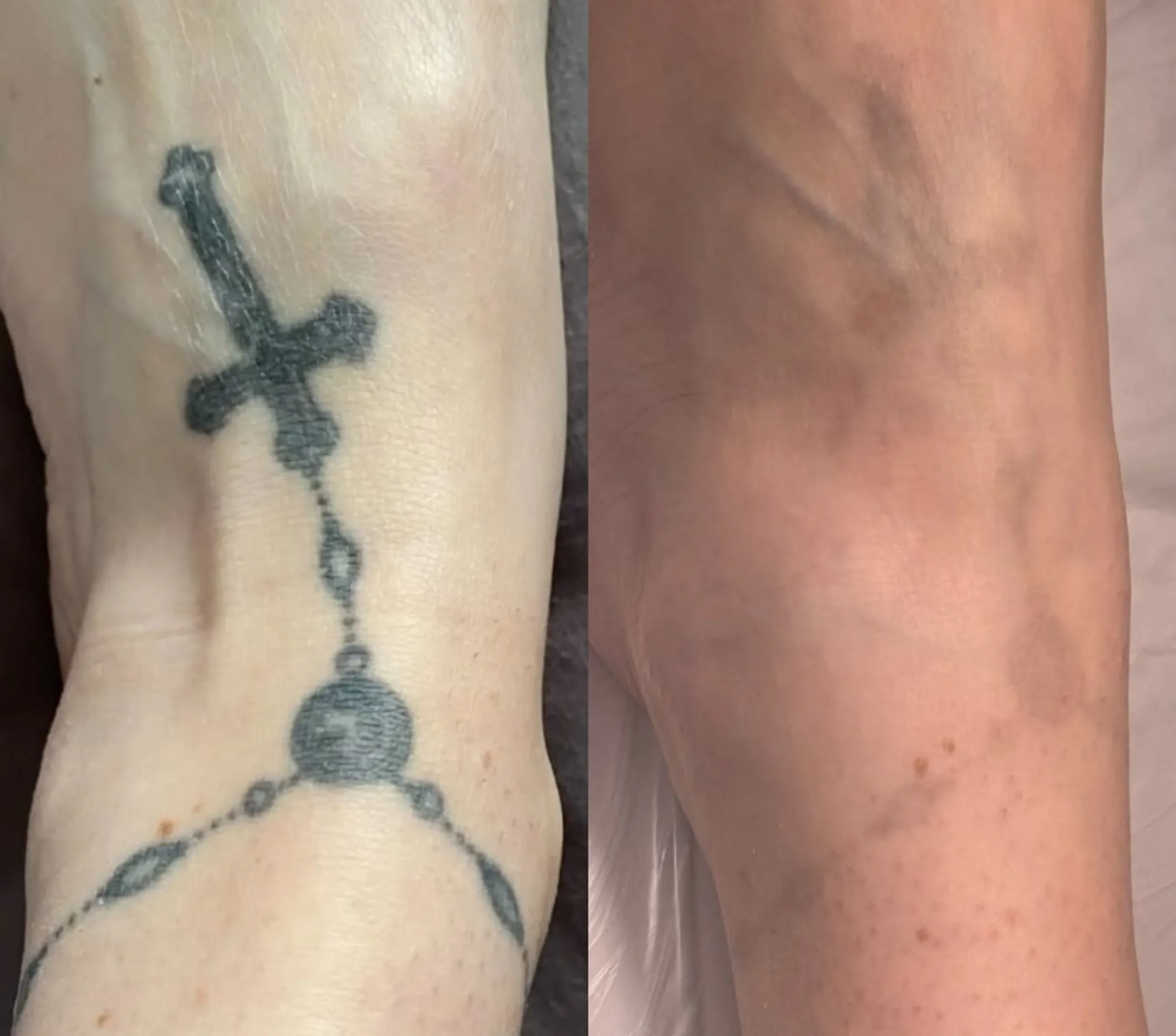
Laser tattoo removal, especially with Q-switched and picosecond laser technology, targets ink particles while leaving surrounding tissue intact. However, laser wavelength, pulse duration, and intensity all influence melanin activity. If settings are too aggressive or the skin is already inflamed, melanin can become overstimulated.
When Skin Darkens Temporarily
- Inflammation triggers melanin overproduction
- Excess heat build-up during treatment
- Skin types IV, V, and VI
- UV exposure while skin is healing
- History of post-inflammatory hyperpigmentation
When Skin Lightens Temporarily
This occurs when melanocytes temporarily reduce activity. It’s more common in fair skin types with lower melanin levels or when treatment settings are too strong.
It can also appear in areas with thin skin or reduced collagen density.
While some clinics compare laser removal to other energy-based devices used in cosmetic dermatology, the principle is the same: delicate skin requires precise calibration to avoid pigment disruption.
What I See Most Often In The Studio
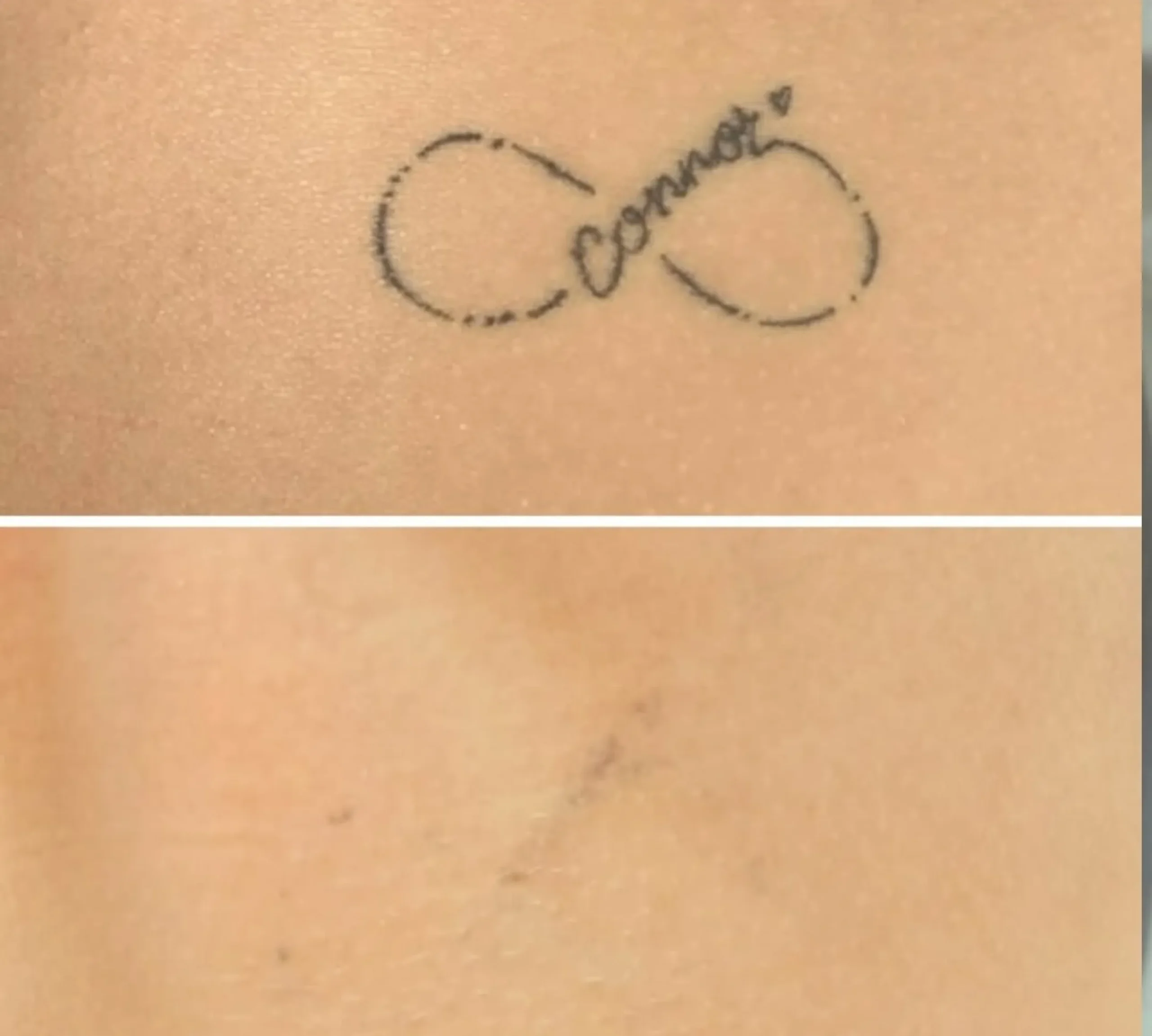
In Melbourne’s constantly changing climate – from dry cold to intense sun – the most common issue I see is post-treatment hyperpigmentation. Many clients underestimate how quickly UV exposure can activate melanin while the skin barrier is still repairing.
For example, one client followed aftercare instructions perfectly but stepped out for a short brunch without sun protection. The result was patchy brow pigmentation from UV exposure. It wasn’t severe, but it extended healing time by 6–8 weeks before treatment could continue.
Even minimal sunlight can stimulate melanocytes when the skin is dehydrated and vulnerable during recovery.
Table: Pigment Shifts After Common Removal Methods
| Removal Method | Hyperpigmentation Risk | Hypopigmentation Risk | Notes |
|---|---|---|---|
| Laser Treatment (Q-Switch / Picosecond) | 15–35% | 5–15% | Influenced by laser settings, skin tone, and melanin activity |
| Saline Removal | 10–20% | <5% | Risk increases if scabbing is disturbed |
| Chemical Peeling Methods | 20–40% | 10–20% | Includes glycolic or salicylic acid; not recommended for cosmetic tattoo removal |
| Combination Approaches | 15–30% | 5–10% | Safer when treatments are conservatively spaced |
(Based on dermatology and laser safety training standards.)
Factors That Influence Your Personal Risk
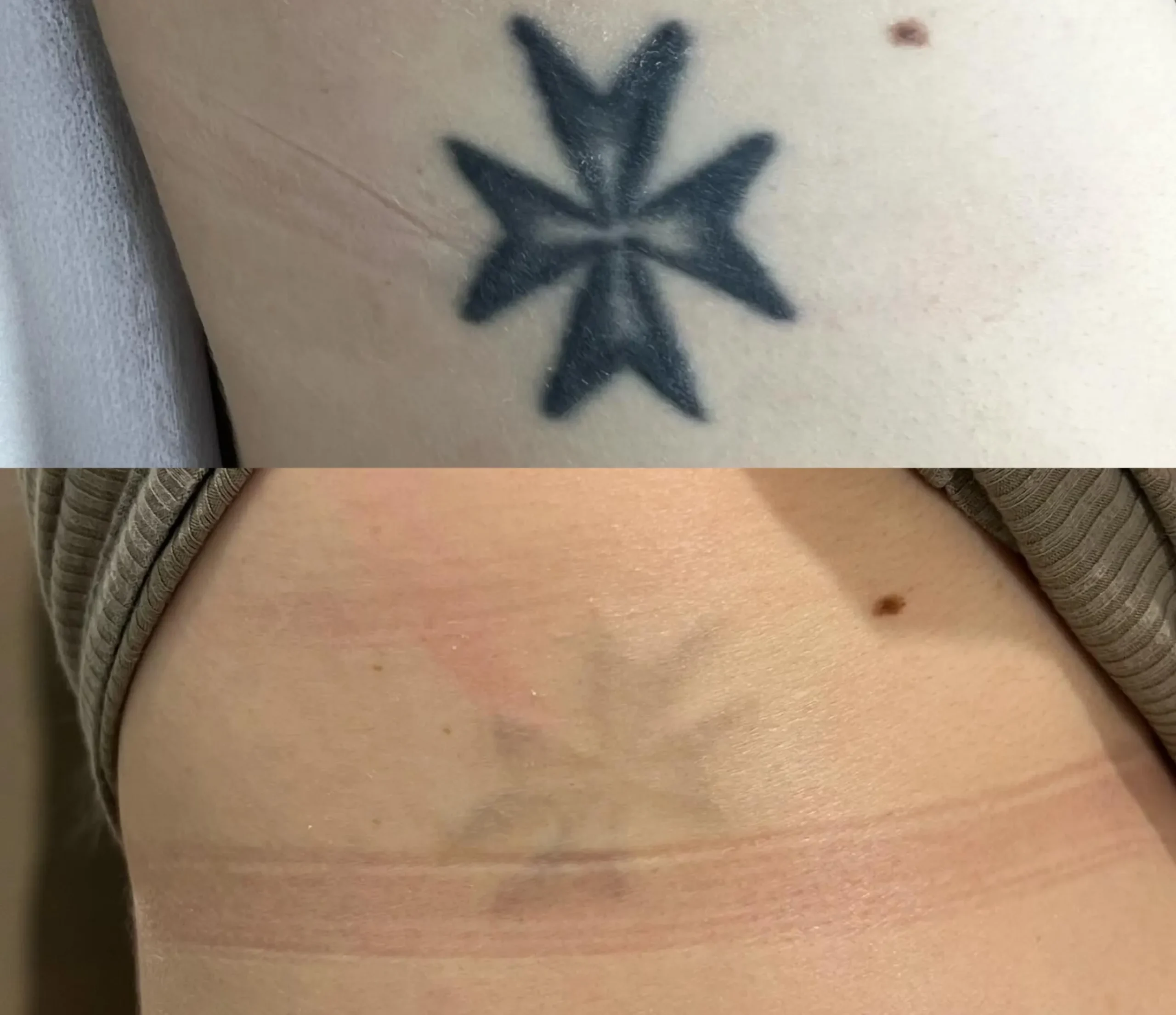
Pigmentation responses can go in all sorts of directions. Here’s what I take a close look at when you come in for a consultation with me at Face Figurati:
- Skin Tone & Skin Types
Different skin types produce different levels of melanin. People with deeper skin tones are naturally at higher risk of post-inflammatory hyperpigmentation. - Laser Settings & Technique
Laser settings and wavelength selection need to be precise. If treatment is too aggressive, it can overstimulate or suppress melanocytes. My priority is always protecting your skin, not rushing ink removal. - Treatment Method
All energy-based devices behave differently. Picosecond lasers create a photoacoustic effect, while nanosecond devices generate more heat, increasing inflammation and pigmentation risk. - Extrinsic Aging Factors
Long-term UV exposure, dehydration, and a compromised skin barrier (such as transepidermal water loss) can make skin responses more unpredictable during cosmetic procedures. - Sun Protection Compliance
The single biggest trigger for hyperpigmentation after cosmetic treatment isn’t the procedure itself – it’s UV exposure before the skin has healed.
How I Reduce Pigment Risks
While risk can’t be eliminated entirely, it can be significantly reduced. Here’s how I minimise it:
Patch Testing & Skin Assessment
I perform a patch test to assess how your skin responds to controlled energy. Clients with a history of pigmentation issues or recent chemical peels such as glycolic or salicylic acid require extra caution.
Gentle, Controlled Laser Treatment
I tailor laser energy settings to your skin type. Higher energy doesn’t mean better results – it usually just means more inflammation.
Spaced-Out Sessions for Healthy Healing
Laser treatment affects collagen contraction and collagen production, so the skin needs adequate recovery time between sessions.
Melbourne-Specific Sun Protection Advice
In Melbourne, sun protection is critical. I give all clients clear guidance on sun avoidance, sunscreen use, and skin care for at least 7–10 days after each session.
Post-Treatment Instructions
I provide clear aftercare instructions, including when to introduce hydrating products like vitamin E creams or hyaluronic acid serums, and when to avoid exfoliants and active ingredients.
When Pigment Changes Need Attention
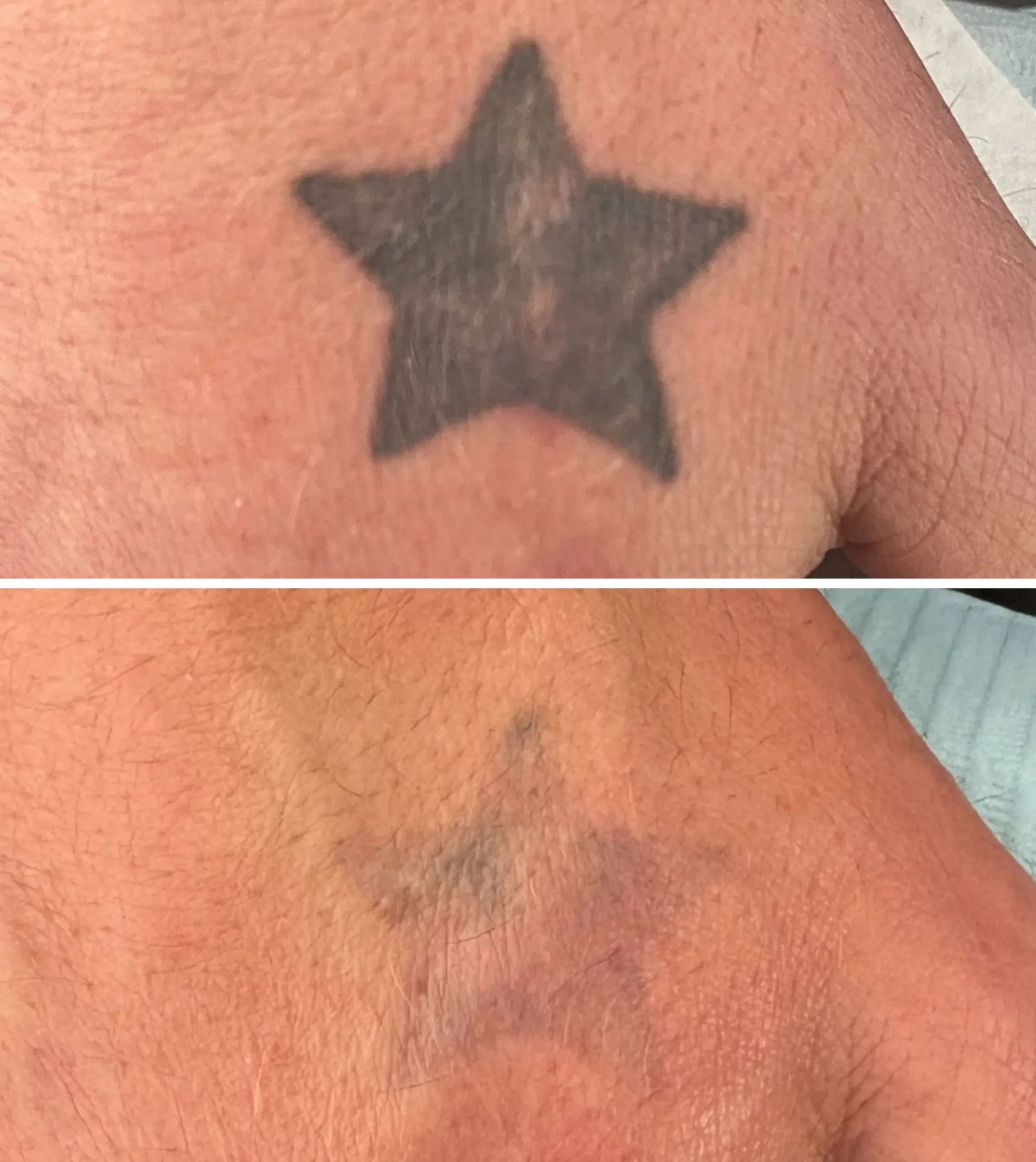
Permanent skin discolouration is uncommon, but it can occur in cases involving repeated sun trauma, poor sun protection habits, early use of chemical peels or strong actives, or treatment with unsuitable laser systems.
These risks are greatly reduced with careful planning and an experienced practitioner.
Signs You Should Contact Your Practitioner
If you notice any of the following, contact your practitioner:
- Pigment changes worsening after 4–6 weeks
- Skin becoming shiny, raised, or tight
- Dark patches spreading beyond the treated area
Early intervention makes a significant difference.
FAQ
Are pigment changes permanent?
Almost never. Most resolve once inflammation settles and melanocyte activity normalises.
Can darker patches be treated?
Yes. Targeted skincare to regulate pigmentation, gentle resurfacing, and strict sun avoidance can help.
Do fair skin types heal differently?
Yes. They may be more prone to hypopigmentation, but often recover more quickly.
Is saline safer for maintaining skin tone?
Saline removal can be gentler, but still requires proper aftercare and adequate spacing between sessions.
Can I have peels or strong actives between treatments?
No. Using peels or strong actives on the treated area increases sensitivity and can worsen pigmentation issues.