We get to that part, understanding the full journey is key. That’s why we created this guide: to answer the question, What Are the Stages of Lip Tattooing? in detail and with no sugar-coating.
So here we are. Par for the first time, we’ve been wondering what the heck. Whether you’re thinking of getting a Lip Blush Tattoo for the first time or getting a touch-up, understanding the healing process and the steps involved will help you avoid surprises, plan your downtime and make informed decisions about your cosmetic tattooing experience.
Pre-Treatment Planning: More Than Just Picking a Colour
Before the tattoo needle even touches your face, there’s a crucial planning phase. This is where we assess not just what you want, but what your lips can realistically handle based on skin type, lip tone and your overall health (yes, even iron deficiency matters).
- Consultation chat: We chat about your skin type, undertone, lip anatomy, allergies, medical conditions like cold sores and your goals.
- Colour selection process: We use colour theory and your natural pigment to create a customised plan, whether you’re after watercolour lips, lip liner definition or a soft lip tint.
- Pre-care instructions: You’ll get detailed aftercare instructions, including avoiding spicy food, glycolic acid, salty food and lip exfoliators pre-treatment.
- Patch test (recommended): Especially for clients with sensitive skin, allergies or who will be using aftercare balm with essential oils.
- Filler consideration: If you’ve had lip fillers recently, we recommend waiting 4+ weeks to allow the lip shape to settle.
We also check for health flags like active cold sores or iron deficiency, both of which can impact healing stages and pigment retention. If you’re booking a Melbourne lip tattoo session, local humidity and seasonal skin dryness are also factored into our prep advice.
The Day of the Appointment: What Happens in the Chair
Time to get comfy, because your cosmetic tattoo artist will need about 2-3 hours to complete the tattooing process. Precision is key, especially with the dotting technique and pigment implantation layers.
- Zensa Numbing Cream: We apply this medical-grade topical to minimise discomfort.
- Lip mapping: We map your lip line, adjust symmetry and honour your natural lip shape.
- Pigment implantation: We use a tattooing needle and cosmetic tattoo machine to implant coloured ink layer by layer for smooth colour transitions.
- Technique: Depending on your style (e.g. watercolour lips or lip liner definition), we adjust needle speed, layering and pressure.
- Wipe-downs and aftercare balm prep: We clean the area and prep you for the start of your aftercare routine.
You’ll feel vibration, maybe some pressure, but most clients describe lip blush tattooing as more comfortable than brow work. Lip blushing has become one of the most popular cosmetic services for clients who want long-term colour without having to reapply lipstick daily.
Immediate Aftermath: The First 24 Hours
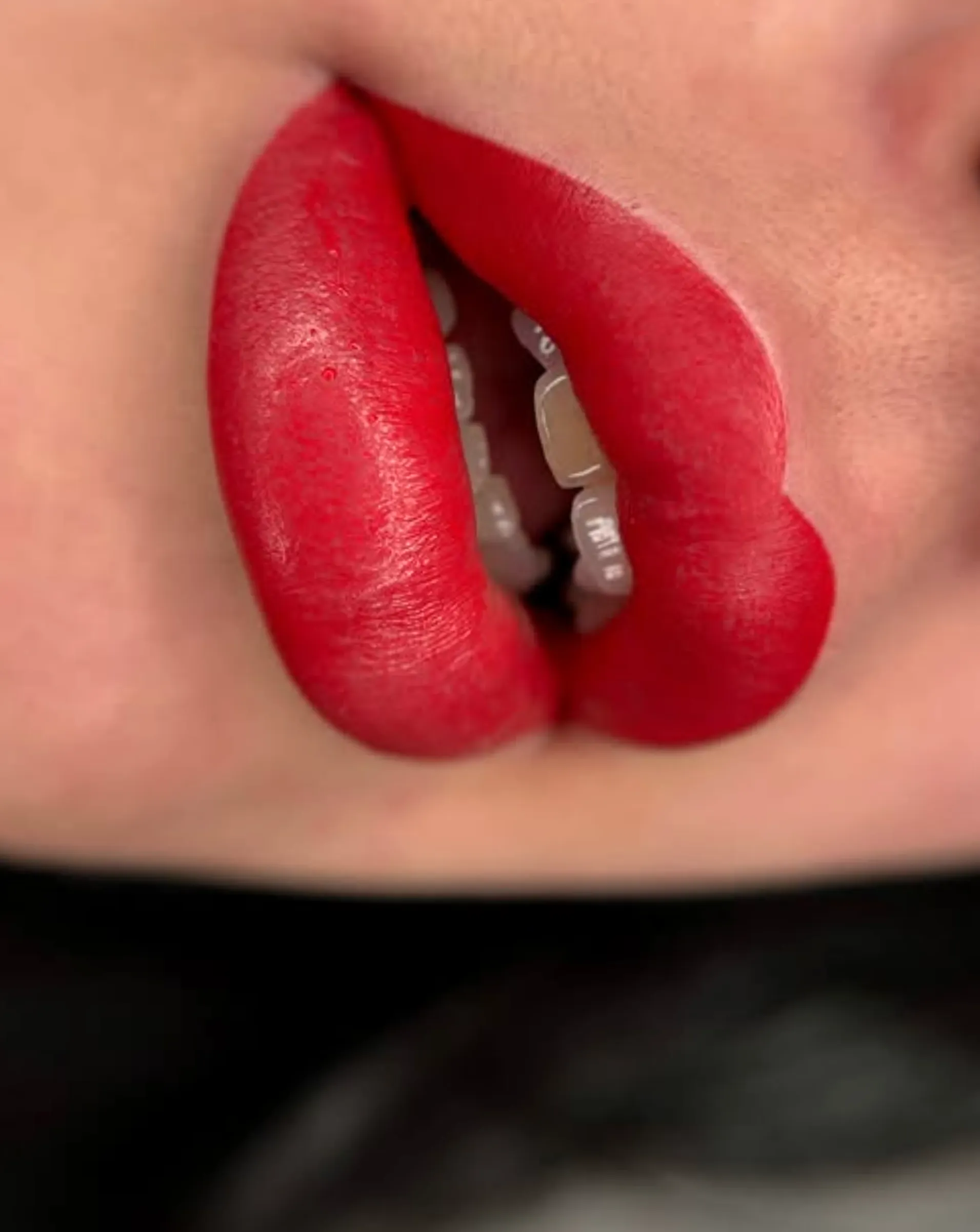
This is where your lips might feel a bit dramatic. The colour is bright and your lips will do their thing.
- Swelling: Mild to moderate swelling. Use an ice pack wrapped in a clean cloth (never ice directly).
- Colour: The lip colour is super bright. This is temporary.
- Lymph fluid: Your body may produce fluid at the site. Gently blot with a clean cotton round to prevent crusting.
- Dryness: Lips will feel tight and dry. No balm yet unless advised. Aftercare gel or ointment starts later.
- Avoid: No kissing, spicy food or makeup near the lips. These can disrupt healing micro wounds.
We call this the “too bright” stage — part of the normal lip blush healing process. It’s like freshly applied tattoo lipstick — bright but not permanent.
The Peeling Stage: Days 2–5
Welcome to the ghosting stage. This is where the colour looks like it’s disappeared and your lips may flake like chapped lips in winter.
- Peeling starts: The top layer of skin flakes off — don’t pick!
- Pigment loss appearance: This part of the healing stage is deceptive. It looks like total pigment loss, but it’s just temporarily hidden.
- Healing balm starts: Apply your recommended aftercare ointment like a hydrating salve or moisturizing balm.
- Avoid triggers: No sun, salty food, kissing or lipstick during this phase.
If you just had a lip tattoo, don’t stress — this is one of the most common parts of the journey. It’s the skin doing what it does best: renewing.
Colour Return and Stabilisation: Weeks 2–4
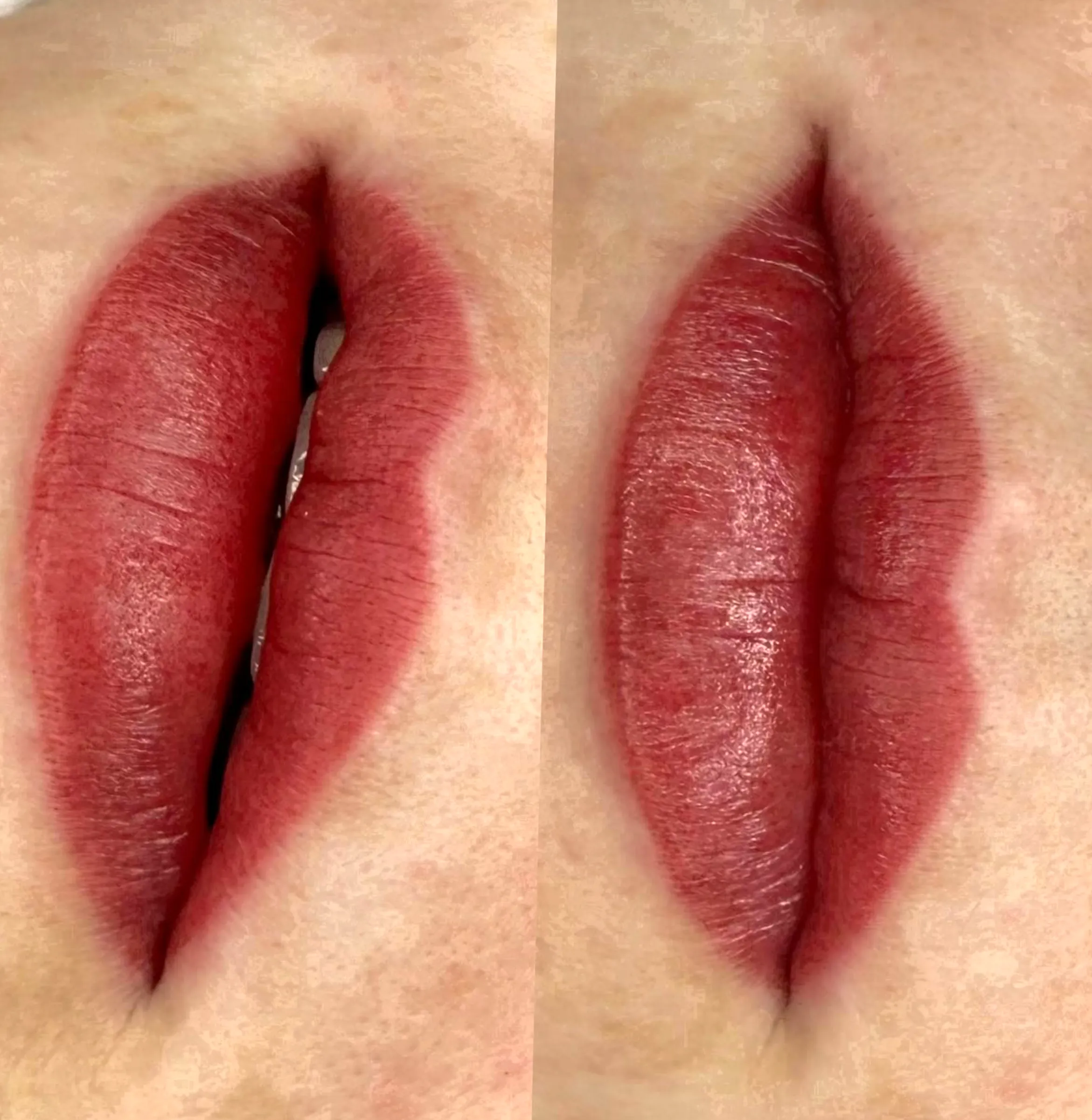
Now we’re getting somewhere. The colour you see here is closer to your healed result, but colour stabilisation takes a few more weeks.
- Healing wraps up: Texture and softness return. Lip dryness fades.
- Colour balance: You’ll see toning down of colours, and some areas may still look lighter.
- Time to reflect: This is where you decide if you want to make any colour adjustments in your perfecting session.
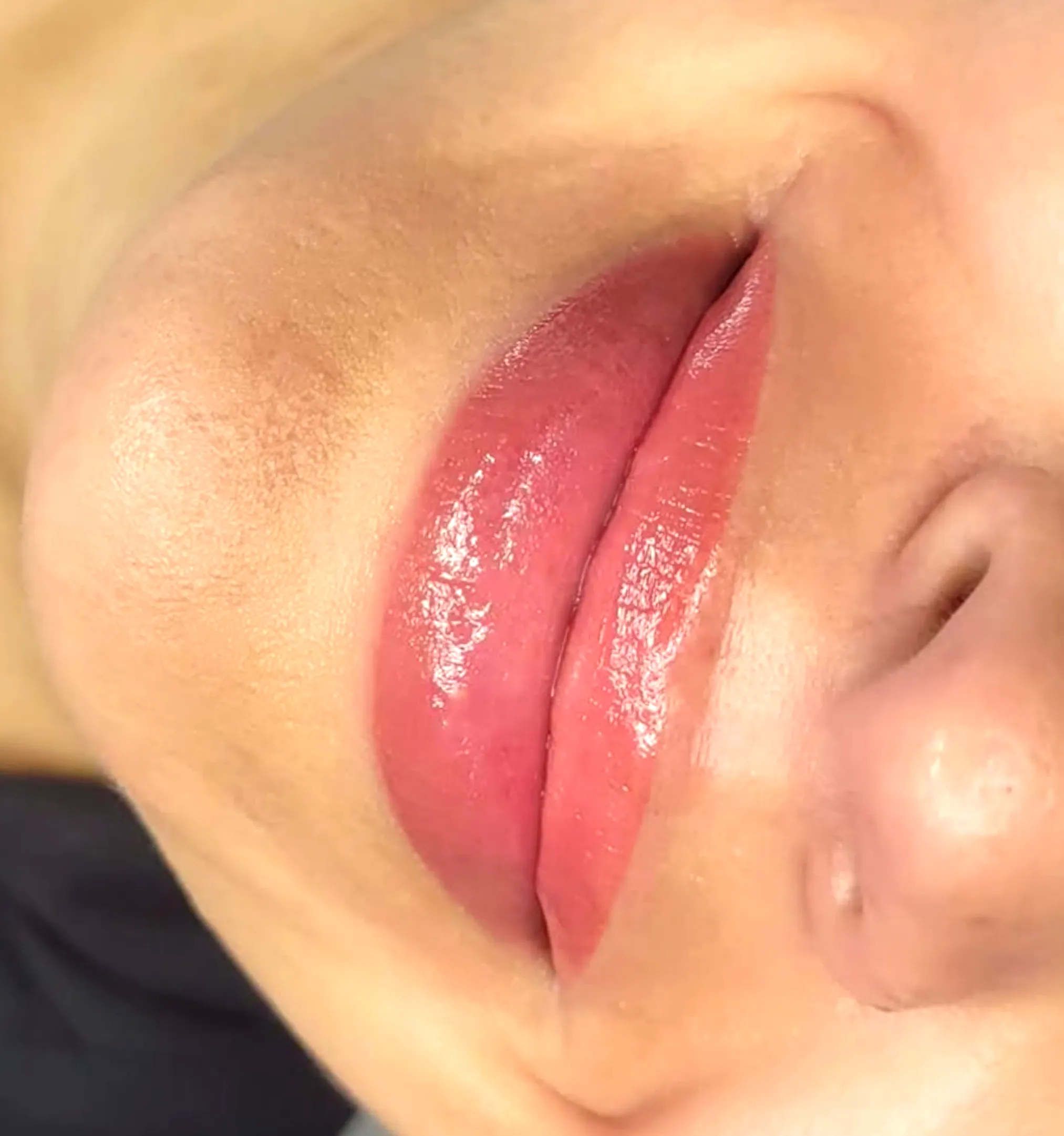
A lip blush tattoo settles into a soft wash of colour over time — think of it as your lips, but better.
The Perfecting Session: Why It Matters
This session — usually around 6–8 weeks post-procedure — locks in the longevity and clarity of your semi-permanent makeup.
- Fill-ins: We top up pigment where the skin didn’t retain colour evenly.
- Balance: We smooth out inconsistencies caused by skin healing differences.
- Enhancement: Want to warm it up or go brighter? We can do that.
Lip blushing isn’t a one-hit wonder. This second visit lets your cosmetic tattoo artist make sure you have a polished, balanced result that lasts.
Long-Term Results and Fading Timeline
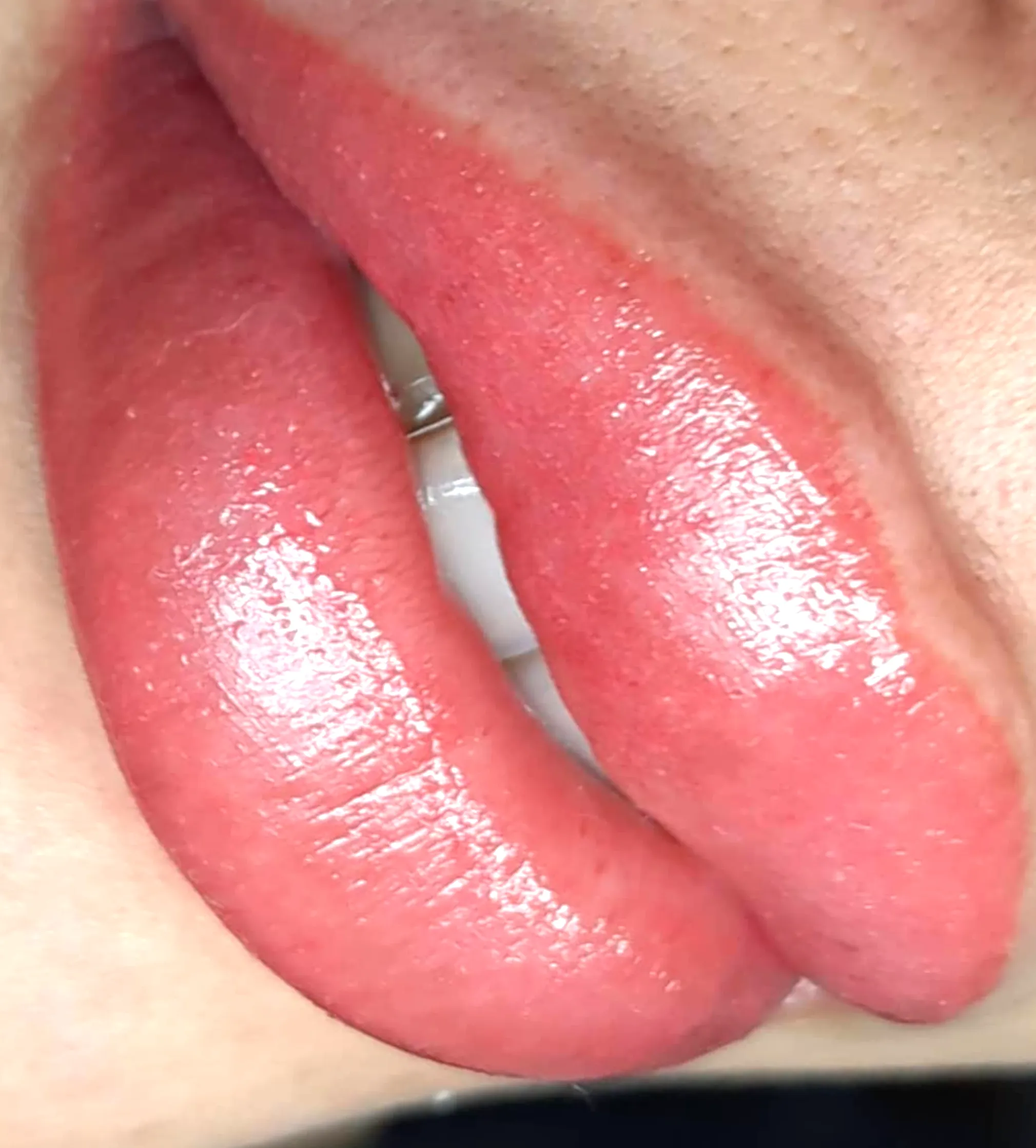
This is where your lip tattoo settles into its true semi-permanent form. But maintenance depends on your lifestyle and skincare.
Fading factors:
- Sun exposure
- Laser treatments or chemical peels
- Lip exfoliators and glycolic acid-based products
- Smoking or frequent dehydration
Touch-up frequency: Most clients come back every 1.5 to 3 years.
Colour shifts: Depending on pigment blend, colours may fade cooler or warmer over time.
Many clients get a Melbourne lip tattoo refresh before summer or special events when long-wear colour is most wanted.
TABLE: Lip Tattoo Healing Timeline
| Stage | Timeline | What to Expect |
|---|---|---|
| Immediate Aftermath | Day 1 | Swelling, dry lips, lymph fluid, bold colour |
| Peeling Stage | Days 2–5 | Flaking, dryness, ghosting stage begin |
| Colour Return | Weeks 2–4 | Pigment resurfaces, colour stabilisation |
| Perfecting Session | Week 6–8 | Pigment boost, refinements, corrections |
| Long-Term Fading | 1.5 to 3 years | Gradual fade based on lifestyle + skin care |
What Makes a Good Artist? Technique and Trust
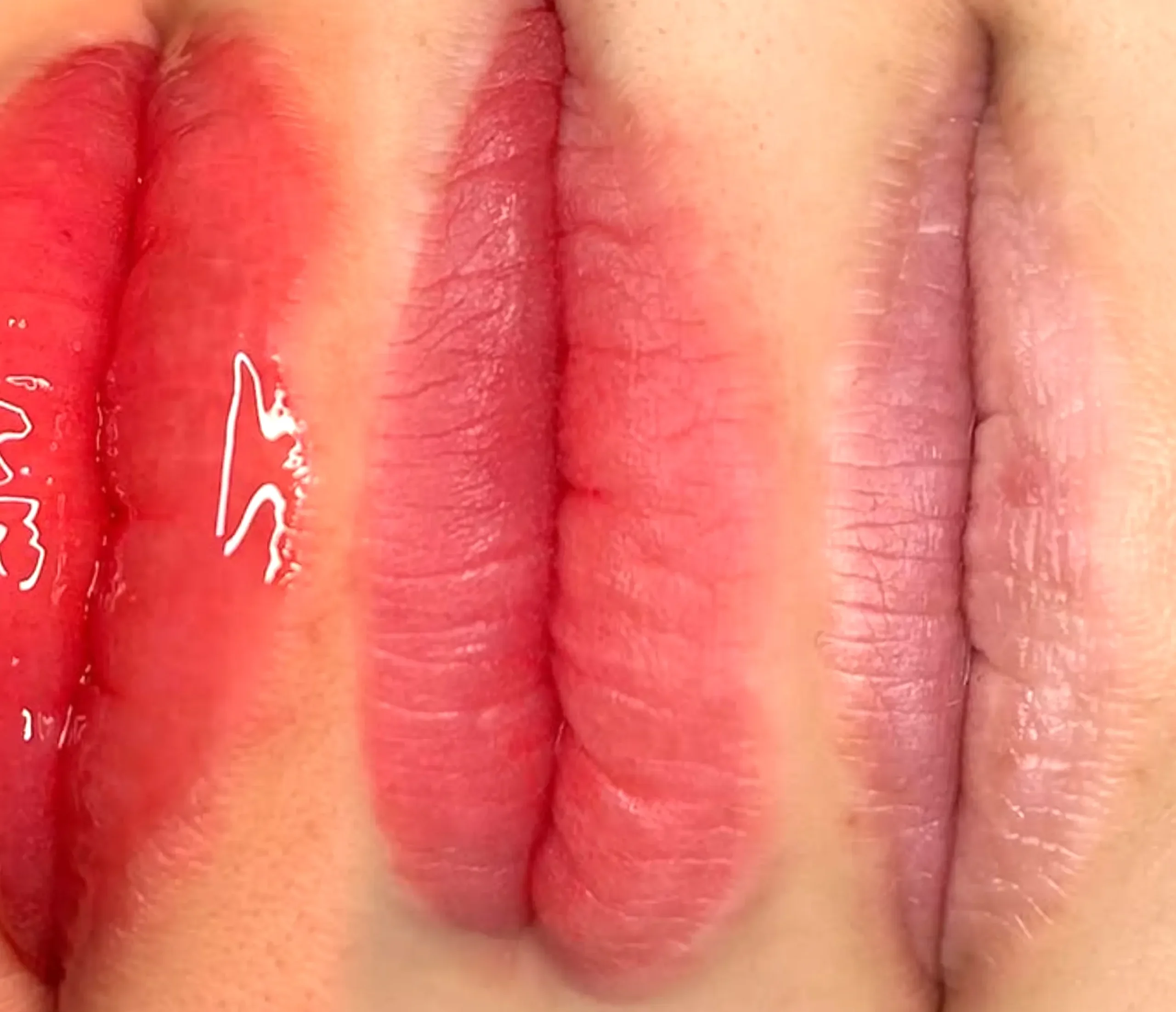
The difference between regret and radiance often lies in the tattoo artist’s technique and your comfort with their process.
- Experienced in cosmetic tattooing, specifically lip tattoo procedures
- Shows healed results, not just fresh colour
- Has a bloodborne pathogen certificate
- Explains aftercare routine clearly and provides an aftercare kit
- Uses medical-grade pigments and sterile tools
Lip tattoo may be trending, but results only look natural when done by someone with proper experience, technique and understanding of pigment chemistry.
Final Thought: Take Your Time, Then Trust the Process
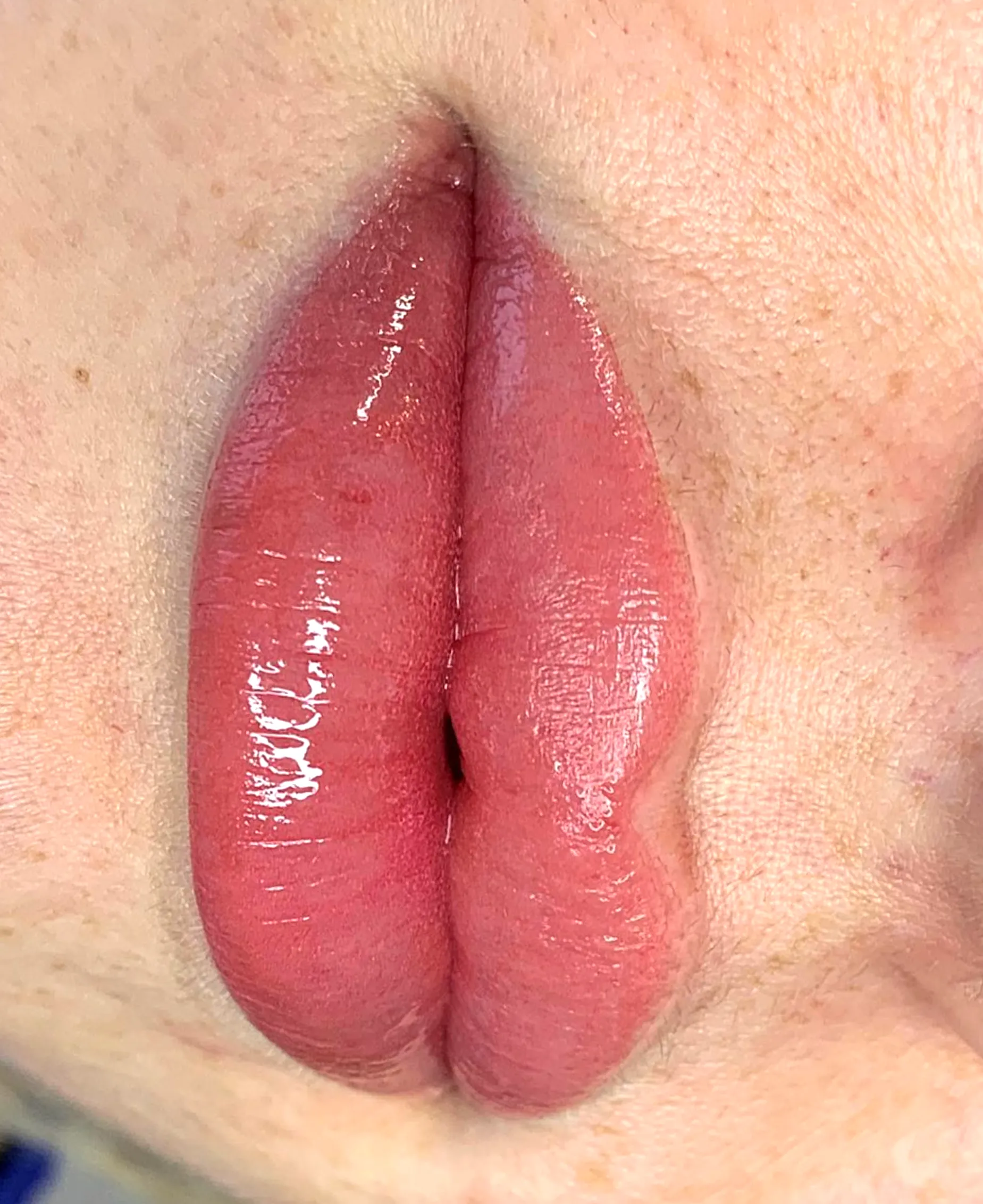
Lip blushing is a cosmetic treatment that requires trust, education and patience. From the pigment layer to the final fade, every step has a purpose. The more you understand your lip healing stages, the better equipped you’ll be for beautiful, long-lasting results.
At Cosmetic Tattoo Studio Face Figurati in Melbourne, we prioritise client education and safe, results-driven artistry — because great cosmetic tattooing starts with trust, not just tools.
FAQ
How painful is a lip tattoo?
Most clients say it’s mildly uncomfortable, but Zensa Numbing Cream helps. It feels more like tingling and pressure than sharp pain.
Can I get lip blush if I have lip filler?
Yes, just wait 4+ weeks post filler so the swelling settles and your lip shape is stable.
What if I get a cold sore after lip tattooing?
Take antiviral medication as a preventative (e.g. Zovirax). It’s essential if you have a history of herpes simplex.
Will the colour match my natural lip tone?
Yes — your cosmetic tattoo artist will blend pigment based on your undertone and desired lip colour outcome.
Can I wear lipstick over my healed lip tattoo?
Yes. After healing, your lip blush tattoo provides a base tone, but you can still wear lipstick, balm or gloss as usual.