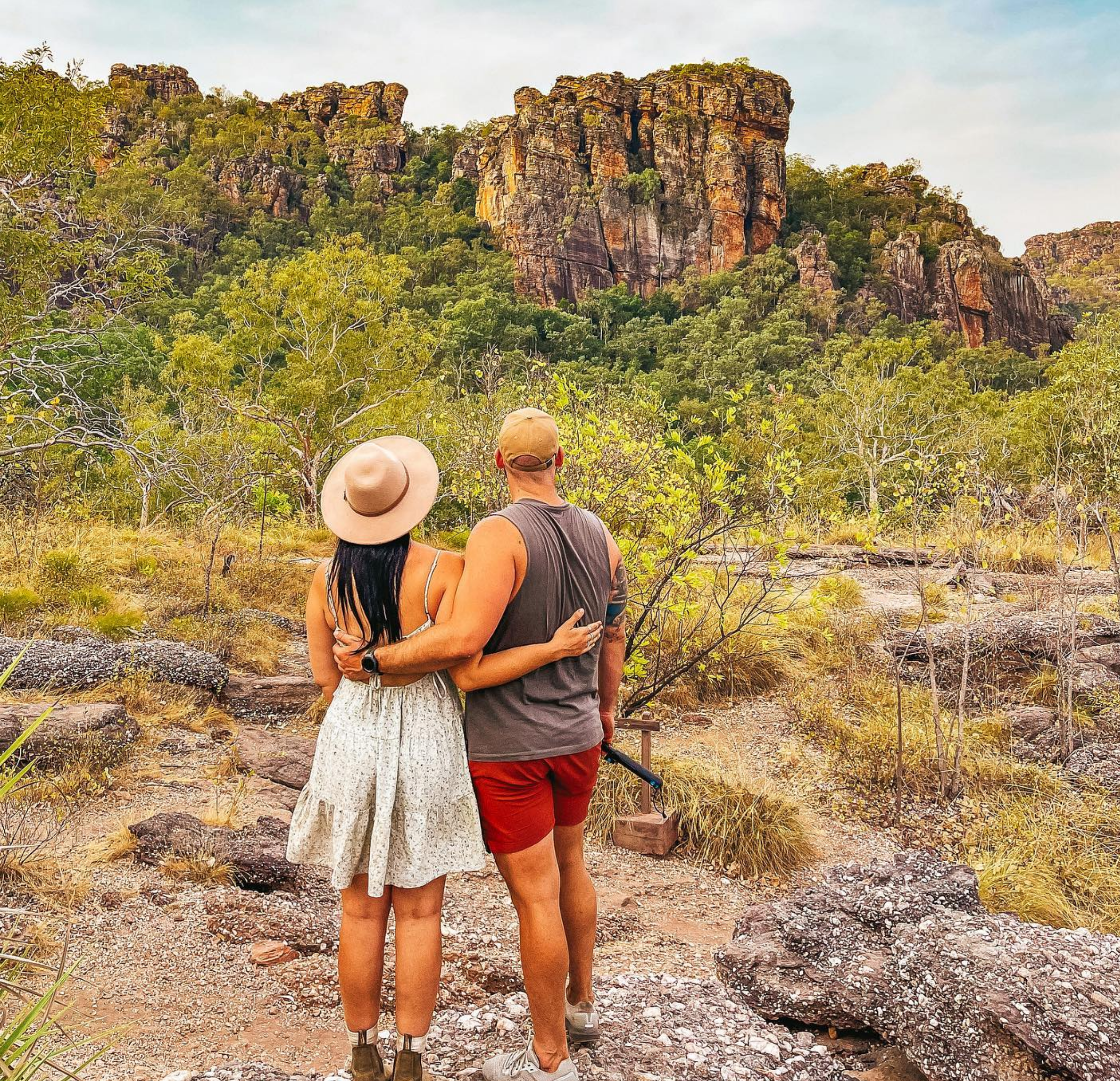
Kakadu National Park is one of Australia’s most famous natural wonders – known for its old landscape, Aboriginal culture and wilderness values. This massive indigenous land stretches over 20,000 square kilometres in the Top End of the Northern Territory and gets thousands of visitors every year. But how many people visit Kakadu each year? Let’s find out the visitor numbers, why Kakadu is so popular and what makes it a place of amazing stories, rock art and travel experiences.
Visitor Numbers to Kakadu National Park
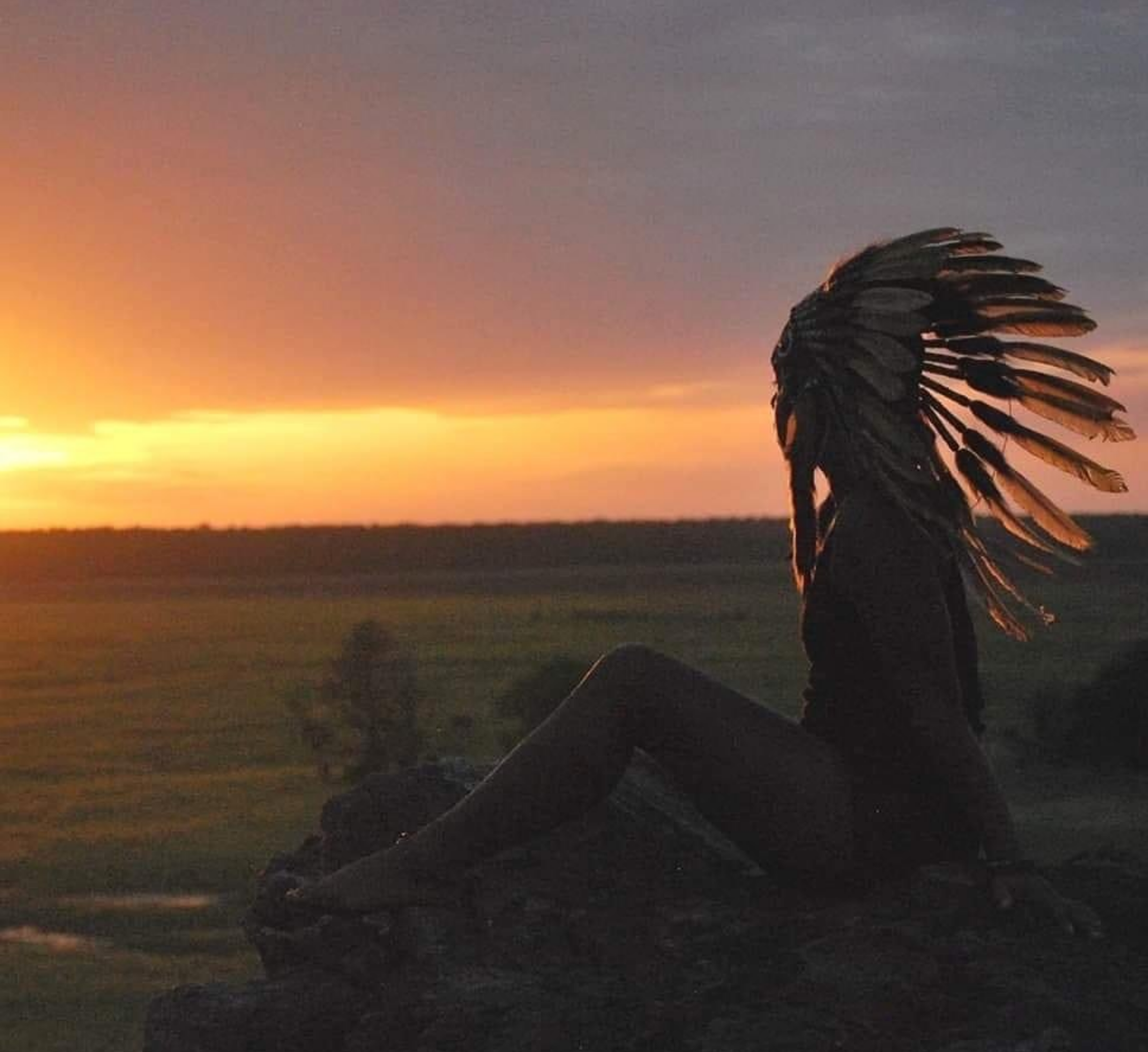
Around 200,000 people visit Kakadu National Park each year, with the dry season (May to October) being the peak time. During this time, main roads are open, camp sites are accessible, and the most popular sites – Jim Jim Falls, Twin Falls, Maguk Gorge and Gunlom Falls – can be reached safely.
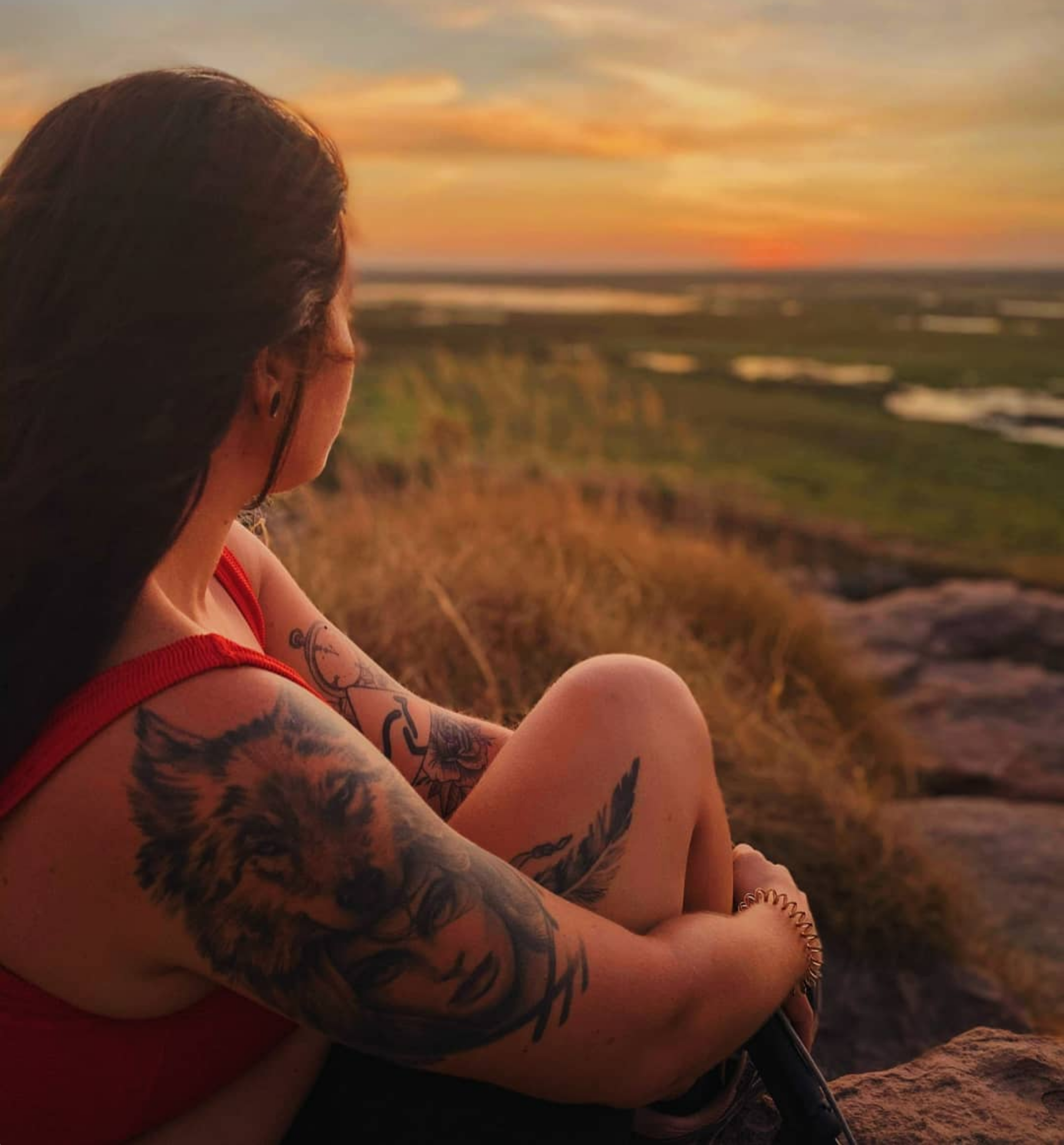
Many visitors opt for a Kakadu day tour from Darwin, a convenient way to see some of the park’s highlights in one day. These guided Darwin day tours are perfect for visitors short on time who still want to see Kakadu’s natural and cultural beauty.
In the wet season (November to April), Kakadu’s tidal flats, grassy plains and monsoon forests turn green and lush. Some areas become inaccessible due to flooding, but this is a great time to see Kakadu’s rainforest, flooded billabongs and exotic wildlife like Saltwater Crocodiles and Asian water buffalo.
The Bowali Visitor Centre, near Jabiru, is the first stop for many visitors to learn about Kakadu’s cultural landscape, ecosystem and park rangers’ conservation work. Interactive displays, interpretive signage and Centre staff will educate you on the park’s cultural values, natural beauty and challenges like invasive species and feral animals.
Why So Many People Visit?
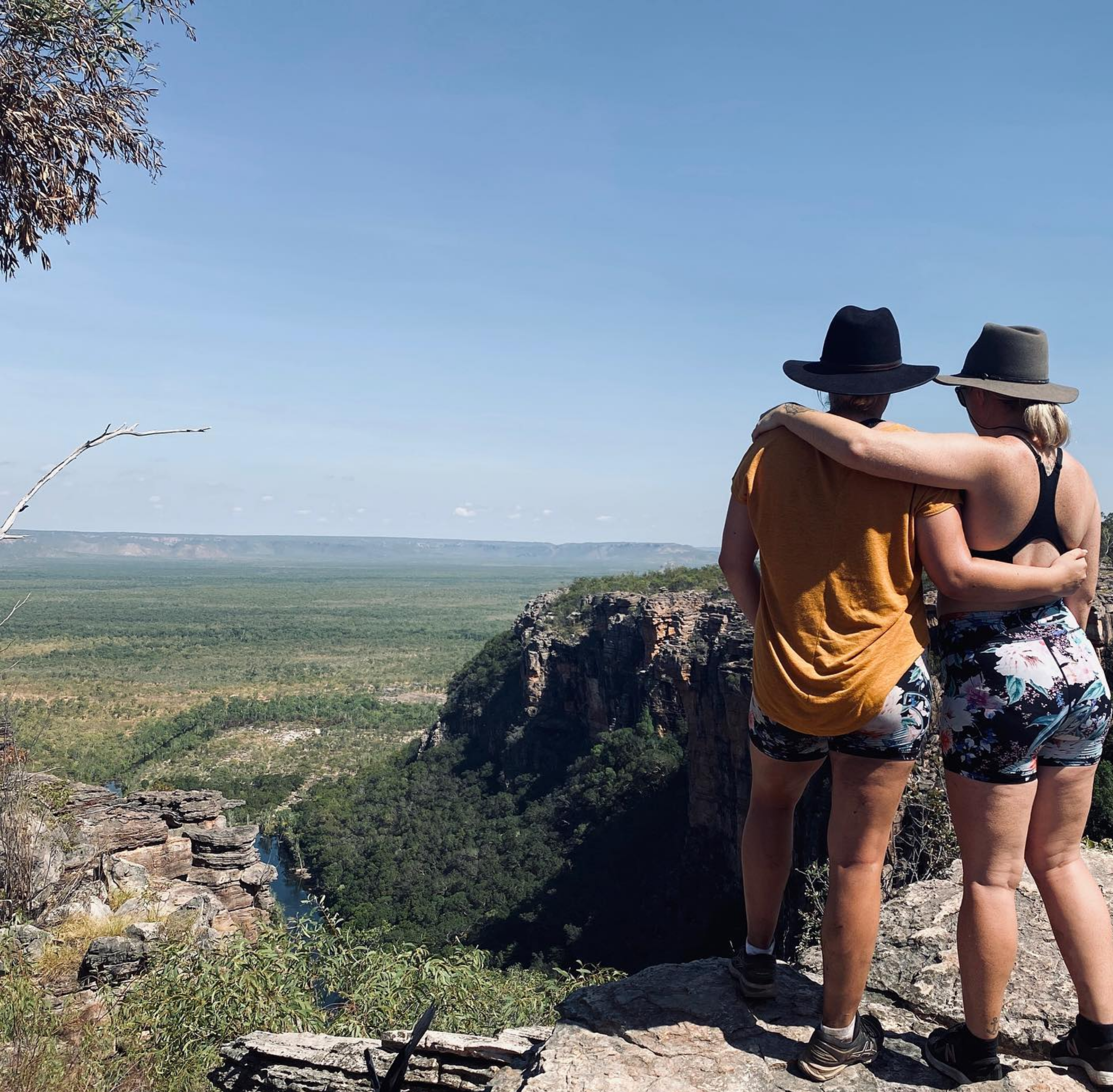
Kakadu’s World Heritage status comes from both its natural and cultural values. Here’s why hundreds of thousands of people make the trip:
- Aboriginal rock art and archaeological sites at places like Ubirr, Nourlangie Rock, and Motor Car Falls show tens of thousands of years of Aboriginal life and connection to land.
- Over 280 bird species, including migratory birds and Australian wildlife, make it a birdwatcher’s paradise.
- Attractions like Yellow Water Billabong, Jim Jim Creek, and Barramundi Gorge offer boat cruises, crocodile sightings and nature immersion.
- Kakadu’s cultural centres, like the Warradjan Cultural Centre, tell the stories of the Aboriginal people, traditional owners and elders that are woven into the land.
- Adventurers are drawn to Kakadu’s deep pools, the natural infinity pool at Gunlom and land escarpments rising above flat grassy plains.
- Visitors are often inspired by Kakadu’s role in European contact, the legacy of European settlement and historical figures like Scott Morrison and the Shorten Labor Government who have discussed land rights and conservation funding.
Whether you’re planning a multi day road trip or a quick Kakadu Tour the experience is a deep dive into one of Australia’s most incredible landscapes.
Where Do Kakadu Visitors Come From?
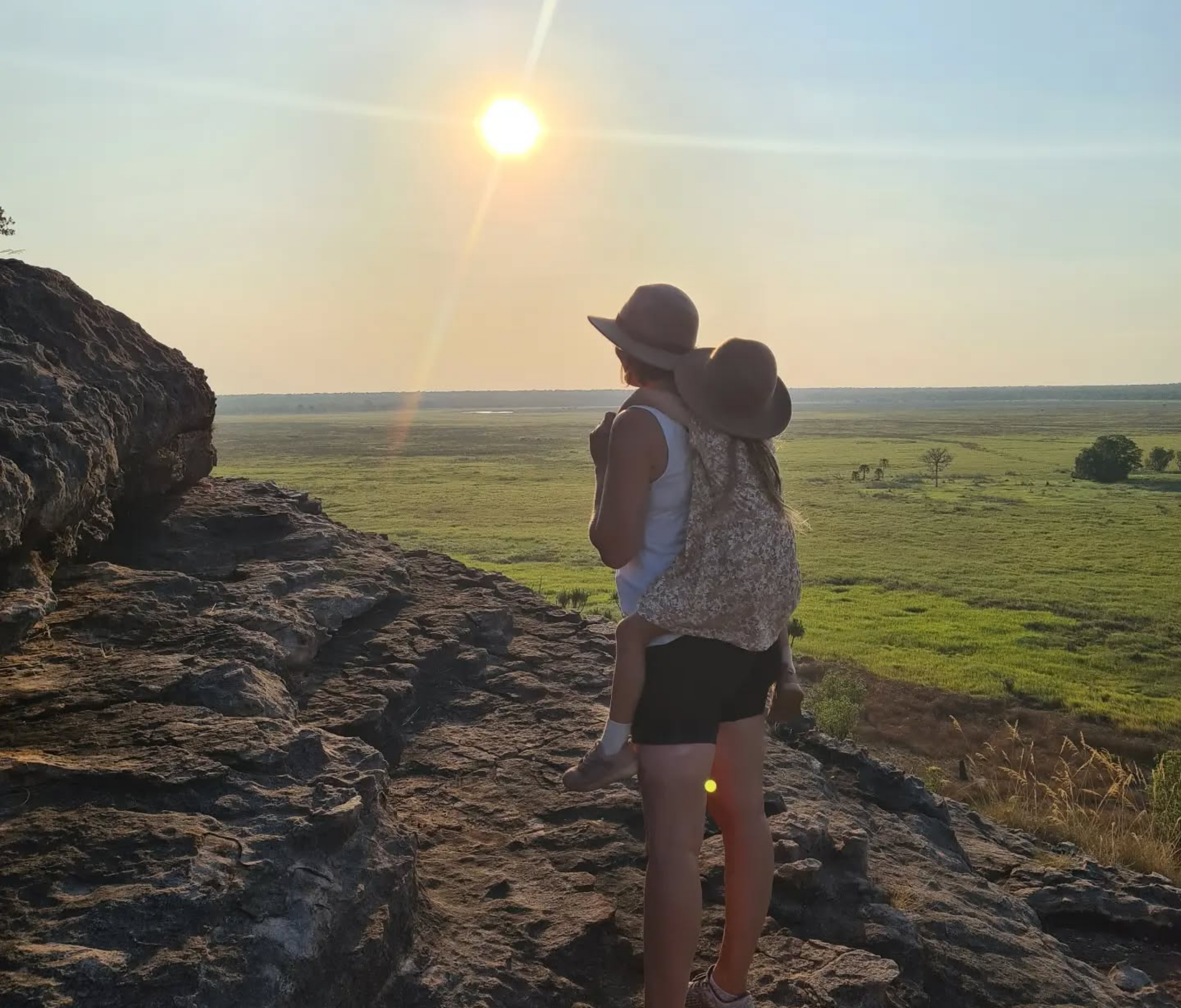
200,000 visitors a year come from all over the world:
- Domestic travellers—Australians from Sydney, Brisbane, Melbourne and Adelaide come to reconnect with nature and see Aboriginal cultural sites.
- International tourists—Visitors from Europe, North America, and Asia are drawn to Kakadu for its remote wilderness and Aboriginal cultural heritage.
- Many travel through Pine Creek or via the Access Road from Darwin to Cahills Crossing, a famous crocodile spot.
- Educational and cultural tourists come to see Kakadu’s Aboriginal language, examples of contact, Aboriginal majority communities and rare wildlife like the Tasmanian tiger said to have once lived here.
Many combine Kakadu with a bigger Top End road trip that includes Arnhem Land, Adelaide River, Mary River and Litchfield National Park.
Visitor Tips for Planning Park Trips
Visit in the Right Season
- The dry season (May to October) is best for waterfalls, hiking trails and flat rocks around Gunlom Falls and Maguk Falls.
- The wet season is great for waterfalls and dramatic bodies of water, but some roads may be closed.
Respect Aboriginal Culture
- Kakadu is Aboriginal land managed jointly by its traditional owners and park rangers.
- Be respectful of sacred sites, Aboriginal art sites and observe crocodile warning signs near waterways.
Choose Your Accommodation
- Options range from Holiday Parks, eco-lodges and camping grounds to resort stays near Yellow Water and Jabiru.
Travel Smart
- Rent a 4WD for Jim Jim Falls, Twin Falls and Barramundi Gorge.
- Use tour guides to learn more about cultural sites, marine life, land animals and connection to land.
Conclusion

With 200,000 visitors a year Kakadu National Park continues to impress with its beautiful landscape, intact ecosystem and cultural significance. Whether you’re on a Kakadu Tour from Darwin or a Kakadu day tour to see the highlights in one trip, the journey is a window into Aboriginal land, ancient traditions and world class natural wonders.
If you’re planning your own day trips Darwin to Kakadu, be prepared to be moved by its ancient stories, mesmerised by its natural beauty and transformed by the Aboriginal perspective of this incredible cultural landscape.
FAQ
How many people visit Kakadu each year?
About 200,000 people visit Kakadu every year, most of them during the dry season from May to October.
Why is Kakadu famous?
Kakadu is famous for its Aboriginal rock art, natural beauty and dual World Heritage status for both cultural and environmental reasons.
Can I visit Kakadu in the wet?
Yes, but be aware that some main roads to places like Jim Jim Falls may be closed. The wet season is a unique experience of tropical rainforest and waterfalls.
How do I get to Kakadu?
Fly into Darwin Airport, rent a 4WD and drive 3 hours to Kakadu. Tours are also available from Darwin.
Are there Aboriginal guided tours in Kakadu?
Yes, several tours are led by traditional owners and Indigenous guides who speak the Aboriginal language, tell stories of the country, and show examples of contact.